Source Wired Lan Optical Line Terminal for FTTH PON Networks
Compare 30 wired lan optical line terminal options from verified Chinese manufacturers. These units support FTTH and PON networks with features like integrated wiring and insulation terminals for reliable signal transmission.
Key considerations
Products List


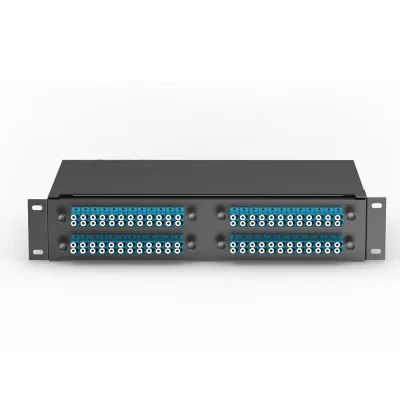


Comprehensive Sourcing Guide
Strategic Sourcing Guide for Wired LAN Optical Line Terminals
Understanding the Product Landscape and Technical Definitions
When sourcing for a wired LAN optical line terminal, buyers must first distinguish between the core networking hardware and the associated wiring infrastructure that supports it. The market often presents a mix of active optical components and passive termination solutions. In the context of Fiber to the Home (FTTH) and Passive Optical Network (PON) applications, the primary focus is on devices that facilitate the distribution of optical signals to end-user premises. These systems rely heavily on integrated wiring mechanisms to ensure signal integrity and physical connectivity.
The technical profile of these components often includes specific model identifiers such as ET0412 or GT0813-O, which denote distinct configurations for different network densities. While the optical line terminal itself is the active node, the surrounding environment requires robust termination hardware. For instance, terminal blocks and socket terminals are frequently specified alongside the main unit to manage the transition from fiber to copper or to organize the internal cabling. The shape of these terminals, whether U-type, H-type, or rectangular, dictates the physical layout within the equipment rack or wall-mounted enclosure.
A critical observation in the current supply chain is the prevalence of products designed for specific network standards. The application of these devices is deeply rooted in PON networks, where the architecture demands high reliability and low latency. The wiring devices are often characterized by their integration capabilities, ensuring that the physical layer supports the logical layer of the wired LAN. Buyers should note that while some products are marketed for general electrical transmission, the specific requirements for FTTH involve precise adherence to signal transmission standards. The distinction between a simple electrical terminal and a specialized FTTH component is vital for ensuring network compatibility.
Technical Specifications and Material Composition
The physical and material specifications of wiring devices and terminal components are paramount for long-term network stability. In the observed market, materials such as copper are standard for conductive elements, ensuring efficient electricity and signal transmission. The plating on these terminals, often tin-plated, serves to prevent oxidation and maintain low contact resistance over time. This is particularly important in environments where the equipment may be exposed to varying humidity levels or temperature fluctuations.
Dimensions and form factors vary significantly across different product lines. Some units are designed with compact standards, such as 440mm by 44mm by 200mm, suitable for dense rack installations. Others may follow larger packaging standards like 47cm by 40cm by 25cm, indicating bulkier enclosures or specialized mounting requirements. The production process plays a crucial role in determining the final quality; injection molding is commonly used for housing and insulating components, while cold pressing is the preferred method for shaping metal terminals. These manufacturing techniques ensure that the final product meets the rigorous mechanical stress requirements of a commercial network environment.
The electrical characteristics are equally diverse. Products may feature AC/DC interface types, accommodating different power supply configurations within the network node. The insulation character is a key safety feature, preventing short circuits and ensuring operator safety during maintenance. For signal transmission, the application ranges from general electrical conduction to the specific transmission of electrical signals within a data network. The specification of wire gauges, such as 4-6 AWG or 10-20 AWG, indicates the current-carrying capacity and the type of cabling the terminal can support. Buyers must verify that the selected terminals match the gauge of the cabling used in their specific FTTH deployment to avoid signal loss or overheating.
Compliance, Certification, and Regulatory Standards
Navigating the regulatory landscape is a non-negotiable aspect of sourcing for wired LAN optical line terminals and their associated wiring. The global market is fragmented with varying standards, but several key certifications appear frequently in high-quality product listings. VDE, UL, and BS certifications are common indicators of compliance with international safety and performance standards. These certifications verify that the electrical components have undergone rigorous testing for fire resistance, electrical shock protection, and mechanical durability.
In addition to safety certifications, environmental and quality management standards are critical for B2B procurement. Products often carry CE, RoHS, and ISO9001 markings, indicating adherence to environmental restrictions on hazardous substances and a commitment to consistent quality management systems. The presence of SASO and TUV certifications further expands the market reach, particularly for exports to the Middle East and Europe. Buyers should verify that the specific model they intend to purchase holds the necessary certifications for their target region. For instance, a product certified for the Chinese domestic market may not automatically comply with European Union directives without specific testing.
The standards referenced in product descriptions, such as ANSI and IEC, provide the technical framework for design and performance. These standards dictate the dimensional tolerances, electrical ratings, and testing protocols that the product must satisfy. It is essential to cross-reference the listed standards with the local regulations of the deployment site. A product claiming compliance with "ANSI AND IEC" must be scrutinized to ensure it meets the specific version of the standard required by the local utility or network operator. Failure to verify these details can lead to rejection during network acceptance testing or legal liabilities in the event of a safety incident.
Cost Drivers and Pricing Dynamics
The pricing of wired LAN optical line terminals and associated wiring components is influenced by a complex interplay of factors, including material costs, manufacturing complexity, and certification overhead. The observed price range in the market spans from $0 to $1600, reflecting the vast diversity of products available. At the lower end, basic terminal blocks and simple wiring accessories may be priced minimally, often sold in bulk. At the higher end, integrated units with advanced features, comprehensive certifications, and specialized packaging can command premium prices.
Volume is a significant driver of cost. The Minimum Order Quantity (MOQ) ranges from 1 unit to 1,000,000 units, offering flexibility for small-scale pilots and large-scale deployments. Buyers purchasing in smaller quantities may face higher per-unit costs due to the fixed costs of setup and certification. Conversely, large-volume orders can leverage economies of scale, significantly reducing the unit price. However, buyers must be cautious of extremely low prices that may indicate compromised quality or missing certifications.
Packaging and logistics also contribute to the final cost. Products are shipped in various formats, including boxes, cartons, and bags, with some items packed as 100 pieces per bag. The choice of packaging affects the shipping weight and volume, which in turn influences freight costs. Additionally, the origin of the product, such as Guangdong, Zhejiang, or Shanghai in China, can impact the cost structure due to regional differences in labor and material availability. Buyers should factor in the total landed cost, including shipping, duties, and insurance, rather than focusing solely on the ex-factory price.
Supplier Evaluation and Origin Verification
Evaluating suppliers requires a deep dive into their operational history and geographic location. The supply chain for these components is heavily concentrated in China, with key manufacturing hubs in Zhejiang, Guangdong, and Shanghai. Zhejiang, specifically Wenzhou, is noted for its expertise in electrical terminals and wiring devices, while Shanghai often hosts facilities producing more complex networking equipment. The origin of the product is a strong indicator of the manufacturing capabilities and the supply chain maturity.
Buyers should verify the supplier's production history. Some manufacturers boast a legacy dating back to 1999, suggesting a long-standing presence in the industry and a mature understanding of quality control. This longevity often correlates with a stable supply chain and a proven track record of delivering consistent products. However, buyers must be wary of suppliers who claim extensive experience without providing verifiable documentation or references.
The customization capabilities of the supplier are another critical evaluation metric. The market shows that customization is available for many products, allowing buyers to tailor specifications to their specific network requirements. This could include custom packaging, specific terminal shapes, or unique plating options. A supplier that offers robust customization services can be a valuable partner in optimizing the network infrastructure. However, customization often comes with longer lead times and higher MOQs, which must be factored into the procurement timeline.
Quality Control and Long-Term Procurement Considerations
Ensuring the quality of wired LAN optical line terminals and wiring devices is essential for the longevity of the network. The warranty period is a primary indicator of the manufacturer's confidence in their product. A standard warranty of 2 years is commonly observed, providing a baseline for buyer protection. However, buyers should look for suppliers who offer extended warranty options or robust after-sales support, as network failures can be costly and disruptive.
Quality control processes should be transparent and verifiable. The production methods, such as injection molding and cold pressing, must be consistently applied to ensure uniformity across batches. Buyers should request test reports and quality assurance documentation to confirm that the products meet the specified standards. The presence of certifications like UL and VDE is a good starting point, but ongoing quality audits are necessary to maintain compliance over time.
Long-term procurement considerations include the availability of spare parts and the scalability of the solution. As the network expands, the ability to source additional components that match the original specifications is crucial. Buyers should establish relationships with suppliers who can provide consistent product lines and maintain inventory levels. The packaging standards, such as the use of boxes or cartons, should also be evaluated for their ability to protect the products during storage and transport over extended periods.
| Feature | Observation | Procurement Implication |
|---|---|---|
| Condition | New | Ensure products are not refurbished or used without disclosure. |
| Wiring | Integrated Wiring | Verify compatibility with existing network cabling standards. |
| Customization | Available | Assess lead times and MOQs for custom orders. |
| Warranty | 2 Year | Confirm terms and conditions for warranty claims. |
| Certification | VDE, UL, BS, CE, RoHS | Verify specific standard versions for target market compliance. |
| Material | Copper | Check for plating quality (e.g., Tin) to prevent corrosion. |
| Origin | Guangdong, Zhejiang, Shanghai | Evaluate logistics costs and lead times based on location. |
In conclusion, sourcing for wired LAN optical line terminals requires a meticulous approach that balances technical specifications, regulatory compliance, and supplier reliability. By focusing on the core attributes observed in the market, such as material quality, certification status, and production history, buyers can make informed decisions that ensure the stability and efficiency of their network infrastructure. The diversity of the market offers numerous options, but the key to success lies in rigorous due diligence and a clear understanding of the specific requirements of the FTTH and PON applications.
FAQs
What is the warranty period for these wired lan optical line terminals?
The standard warranty period is 2 years for the listed products. This coverage applies to new units with integrated wiring designed for FTTH and PON network applications.
Which certifications are available for these wiring devices?
Common certifications include VDE, UL, BS, CE, RoHS, ISO9001, SASO, and TUV. These marks indicate compliance with international safety and environmental standards for electrical transmission.
Can buyers request customization for the terminal specifications?
Yes, customization is available for many products in this category. Buyers can often tailor specifications to meet specific network requirements while maintaining the core wiring integration.
What materials are used for the terminal components?
Copper is the standard material used for conductive elements to ensure efficient signal transmission. The terminals are often tin-plated to prevent oxidation and maintain low contact resistance.
Where are these wired lan optical line terminals manufactured?
Products originate from key manufacturing hubs in China, specifically Guangdong, Zhejiang, and Shanghai. Zhejiang Wenzhou is noted for expertise in electrical terminals and wiring devices.
What is the minimum order quantity for these products?
The minimum order quantity ranges from 1 to 1,000,000 units depending on the specific supplier and product type. This flexibility supports both small-scale pilots and large deployments.
How are the products packaged for shipping?
Packaging options include boxes, cartons, and bags, with some items packed as 100 pieces per bag. The specific packing method depends on the product model and supplier requirements.